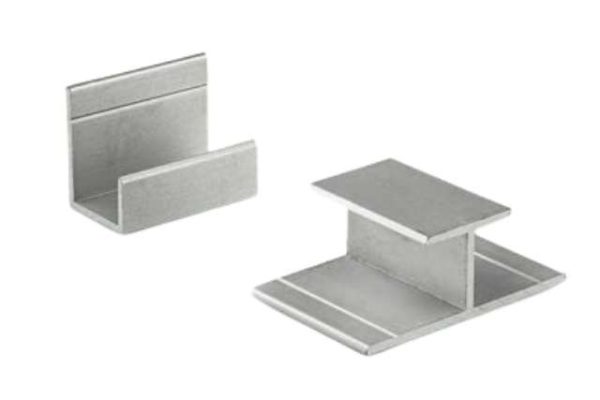
For procurement managers and OEM buyers, the aluminum profile manufacturing process is more than just technical trivia—it is the predictor of your product’s market success. When you source aluminum telescopic poles for large retailers like Home Depot or specialized pool distributors, the difference between a premium product and a high-return-rate liability often lies in the details of production.
Understanding the "how" allows you to ask the right questions. It helps you distinguish between a factory that simply cuts metal and a partner that engineers reliability. This guide breaks down the manufacturing of aluminum profile systems, focusing on the specific needs of telescopic pole applications.
1. Material Selection: Starting with the Right Billet
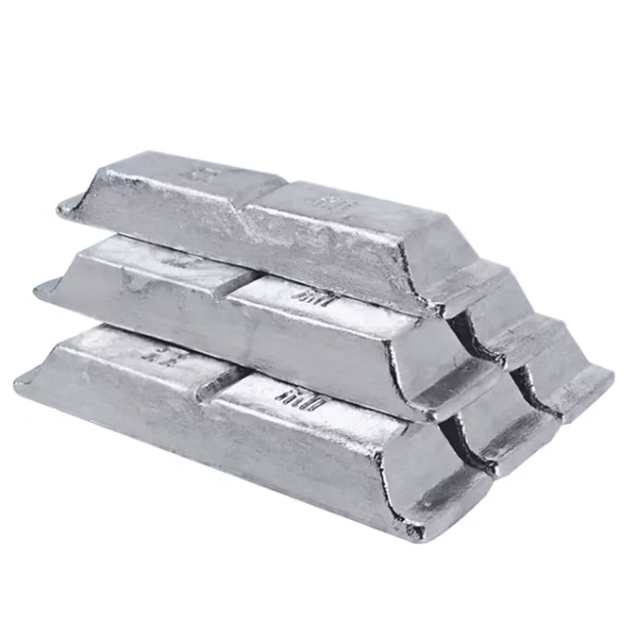
Great profiles start with pure chemistry. We strictly use 6000-series aluminum alloys, primarily 6063, known as "architectural aluminum."
- Why 6063? It offers an excellent balance of extrudability and surface finish quality.
- Why not scrap? Using recycled scrap with uncontrolled impurities leads to surface streaks and weak points. We use primary aluminum logs to ensure structural integrity.
Key Takeaway: For telescopic poles requiring high surface aesthetics and moderate strength, 6063-T5 or T6 is the industry benchmark.
![Image placeholder: Stacked aluminum billets ready for the furnace]
2. Precision Extrusion: Forming the Shape
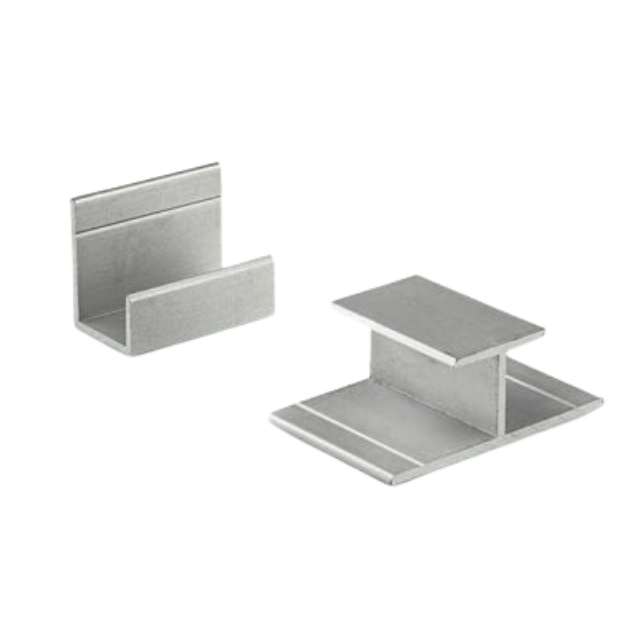
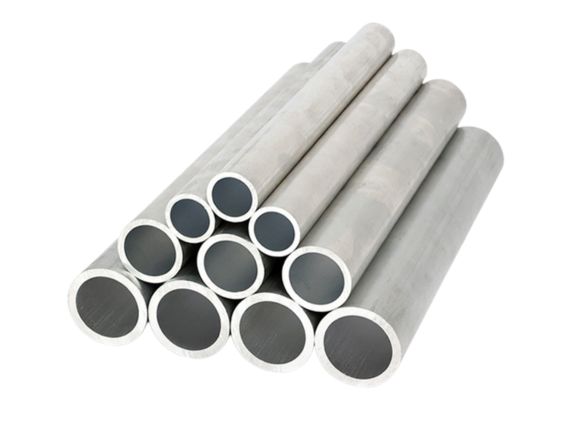
The extrusion process is where the raw billet transforms into your specific profile design. The billet is heated to approximately 450°C–500°C until it becomes soft but remains solid. A powerful hydraulic ram then forces the aluminum through a steel die.
The Importance of Die Design
For telescopic systems, the interaction between the inner and outer tubes is critical. If the die wall thickness varies even by 0.1mm, the pole may jam or rattle.
- Flow control: We monitor the metal flow speed to prevent twisting.
- Cooling: As the profile exits the die, it must be cooled (quenched) uniformly. Uneven cooling causes bowing, which ruins the straightness required for long-reach poles.
![Image placeholder: Aluminum profile emerging from extrusion press]
3. Aging and Hardening: Achieving the Right Temper
Fresh off the press, aluminum is relatively soft. To withstand the leverage forces applied to a fully extended 12-foot pool pole, the metal needs tempering.
We utilize aging ovens to achieve the required hardness:
- T5 Temper: Cooled from the press and then artificially aged. Suitable for general shapes.
- T6 Temper: Solution heat-treated and artificially aged. This provides higher tensile strength, making it the preferred choice for heavy-duty extension poles that must resist bending under load.
Data Point: A T6 profile can handle approximately 20-30% higher stress loads than a T5 profile of the same dimension.
4. Surface Treatment: Anodizing for Durability
This stage is critical for products destined for swimming pool environments or outdoor retail displays. Raw aluminum will oxidize and look dull over time.
The Anodizing Process
We immerse the profiles in an electrolytic acid bath. This builds a hard, protective oxide layer on the surface.
- Thickness Matters: For standard retail products, we typically apply a 10–12 micron layer. For aggressive environments (like saltwater pools), we recommend increasing this to 15+ microns.
- Color Consistency: Controlling the bath chemistry ensures that the silver, black, or gold finish on the first pole matches the 10,000th pole. This consistency is a strict requirement for shelves at Ross or Walmart.
![Image placeholder: Anodizing tanks with aluminum profiles submerged]
Powder Coating Option
For branded colors (e.g., bright blue or safety yellow), we use electrostatic powder coating. This offers a thicker finish and high impact resistance.
5. Precision Cutting and Telescopic Assembly
Once the long profiles (often 6 meters) are finished, they move to the fabrication department. This is where the profile becomes a product.
Tolerance Management
Cutting isn’t just chopping. We cut to precise lengths to ensure the overlap between tube sections matches the engineering specs.
- Deburring: Sharp edges are removed to prevent injury and ensure smooth sliding action.
- Lock Installation: Whether you select an external flip cam or an internal twist lock, the assembly fit must be tight. A loose fit feels "cheap" to the end consumer.
![Image placeholder: Worker assembling telescopic pole locking mechanism]
6. Quality Control: The Retail Standard
Before packing, your order undergoes a rigorous QC protocol designed to meet international retail standards (AQL 2.5/4.0).
- Dimensional Check: Calipers verify inner/outer diameters.
- Function Test: Every batch is tested for extension smoothness and locking strength.
- Appearance: Visual inspection under standard lighting to catch scratches, dents, or color mismatch.
- Salt Spray Test: We simulate years of corrosion exposure to validate the anodizing quality.
Summary
Producing a high-quality aluminum profile system is a chain of precise events. From the purity of the 6063 billet to the control of the anodizing bath, every step impacts the final user experience.
By partnering with a manufacturer that controls these variables strictly, you protect your brand reputation and ensure your shipments are accepted by major retailers without issue.
Ready to discuss your specifications?
If you need guidance on selecting the right alloy or wall thickness for your next project, our engineering team is here to help.